My research aims to enable robots to anticipate, understand, and adapt to human behavior during collaborative tasks. I investigate how humans perceive robot motion, how human actions can be predicted from observed behavior, and how these predictions can be integrated into motion planning and control systems to improve safety and operational efficiency.
Synthesizing theoretical behavior models with physical hardware validation.
5 peer-reviewed publications investigating motor interference and objective behavioral markers of perceived robot human-likeness through synchronized movement experiments.
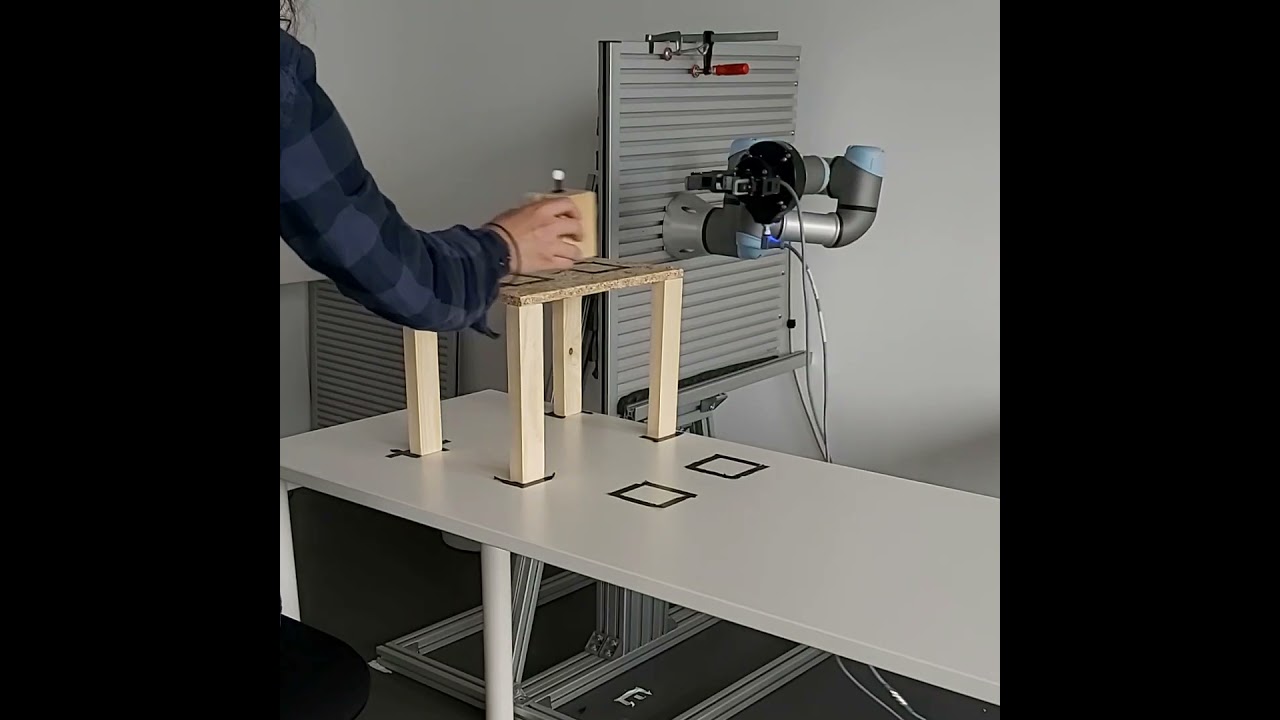
Current doctoral research quantifying how humans adapt trajectories and workspace occupancy during interactions. Developing predictive planning methods incorporating task uncertainty.
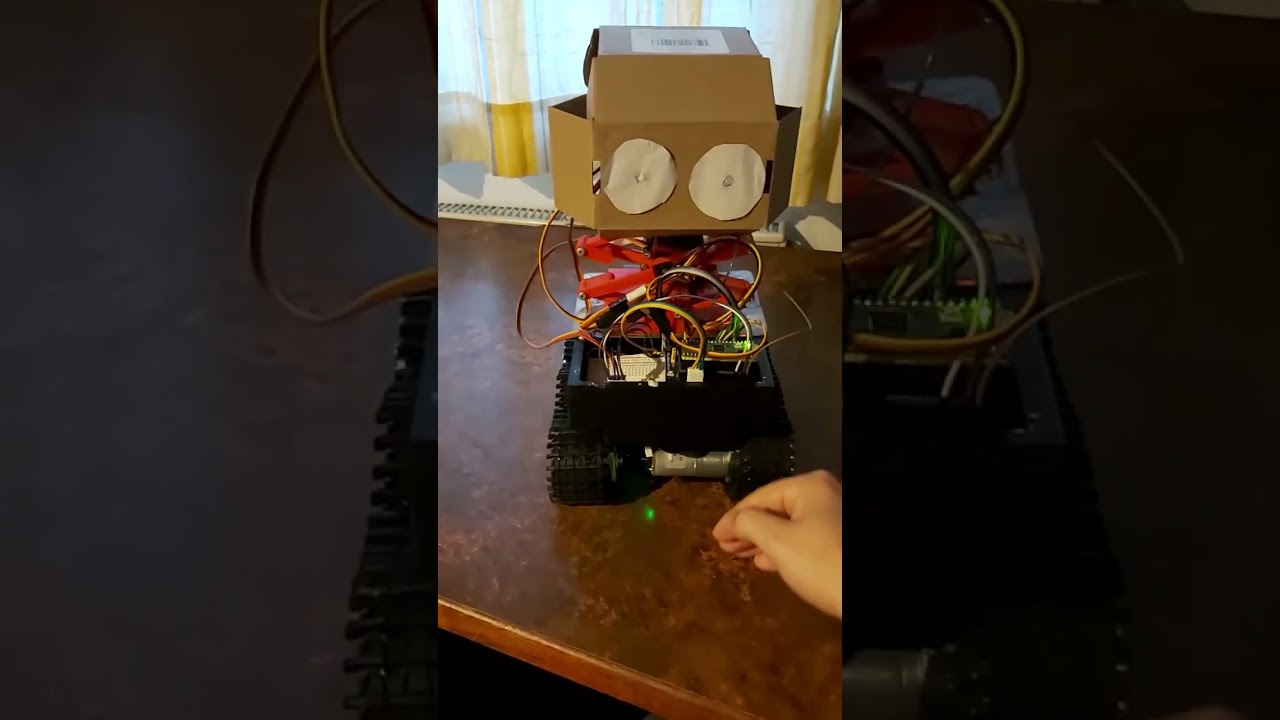
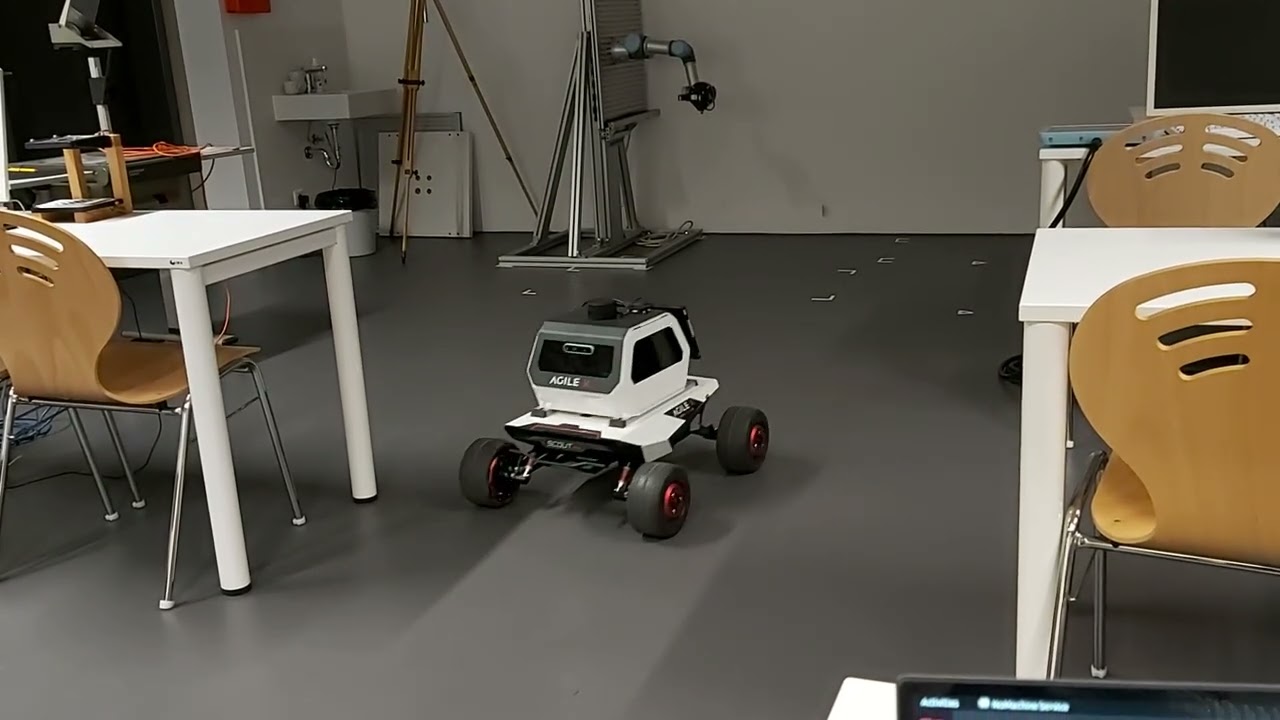
Algorithm integration, recursive controller design, and experimental validation deployed successfully across UR3, Stäubli RX160, TurtleBot 4, and AgileX Scout Mini.
Demonstrates that robot limb configuration influences human motor execution, providing an objective measure of perceived human-likeness.
Investigates how cognitive load alters human perception of collaborative robots during continuous, synchronous movement tasks.
Formulates a recursive tracking architecture that eliminates explicit matrix build parameters for complex industrial manipulators.
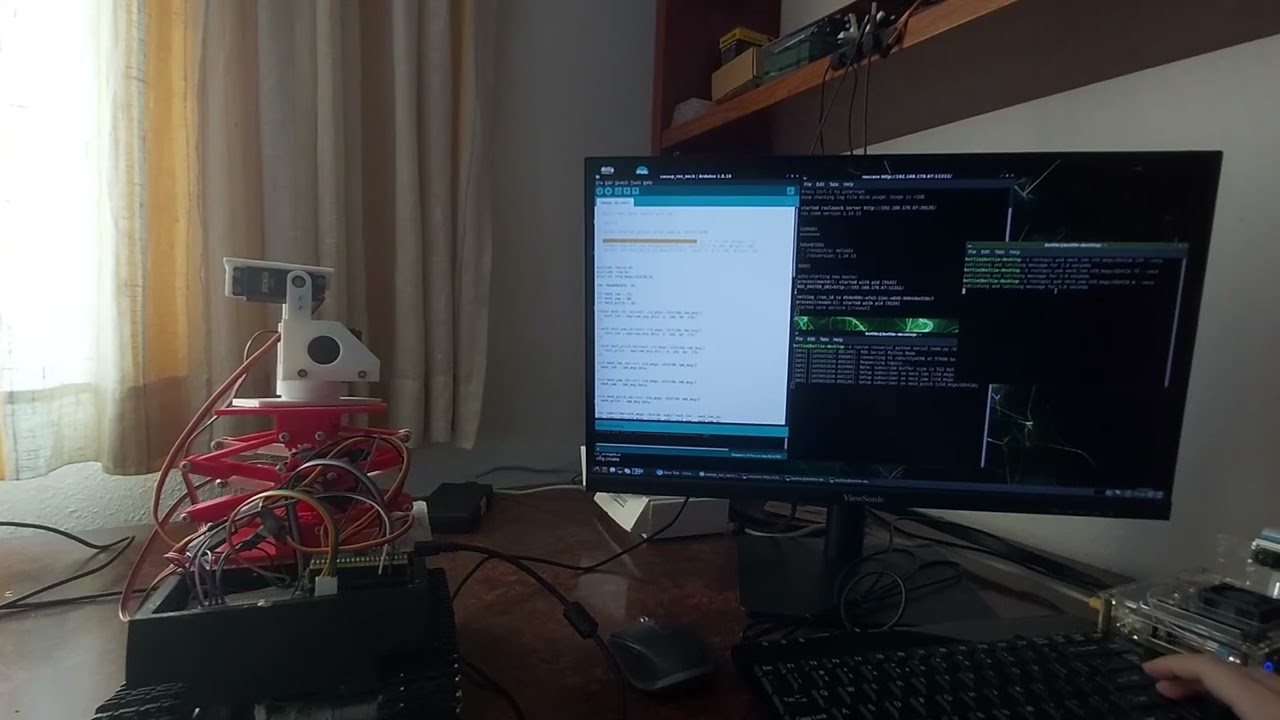
Direct empirical validation tracing the engineering stack from low-level embedded microcontrollers up to high-level system behaviors.
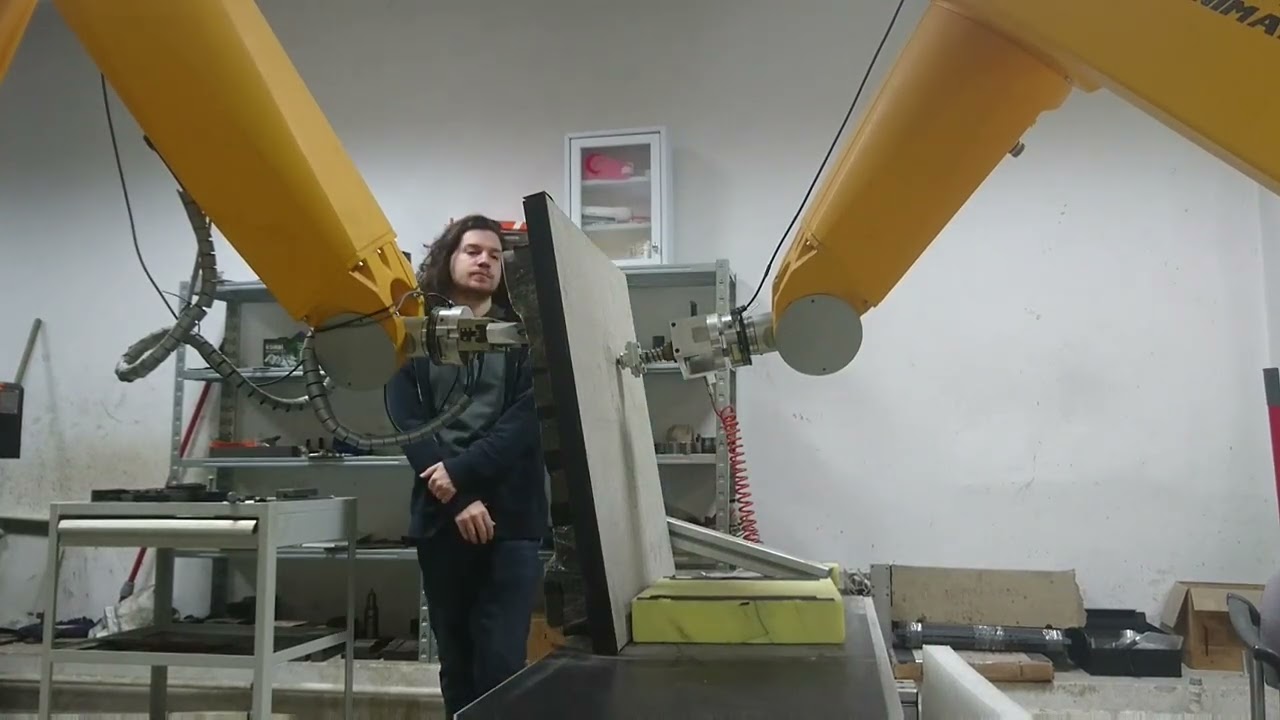
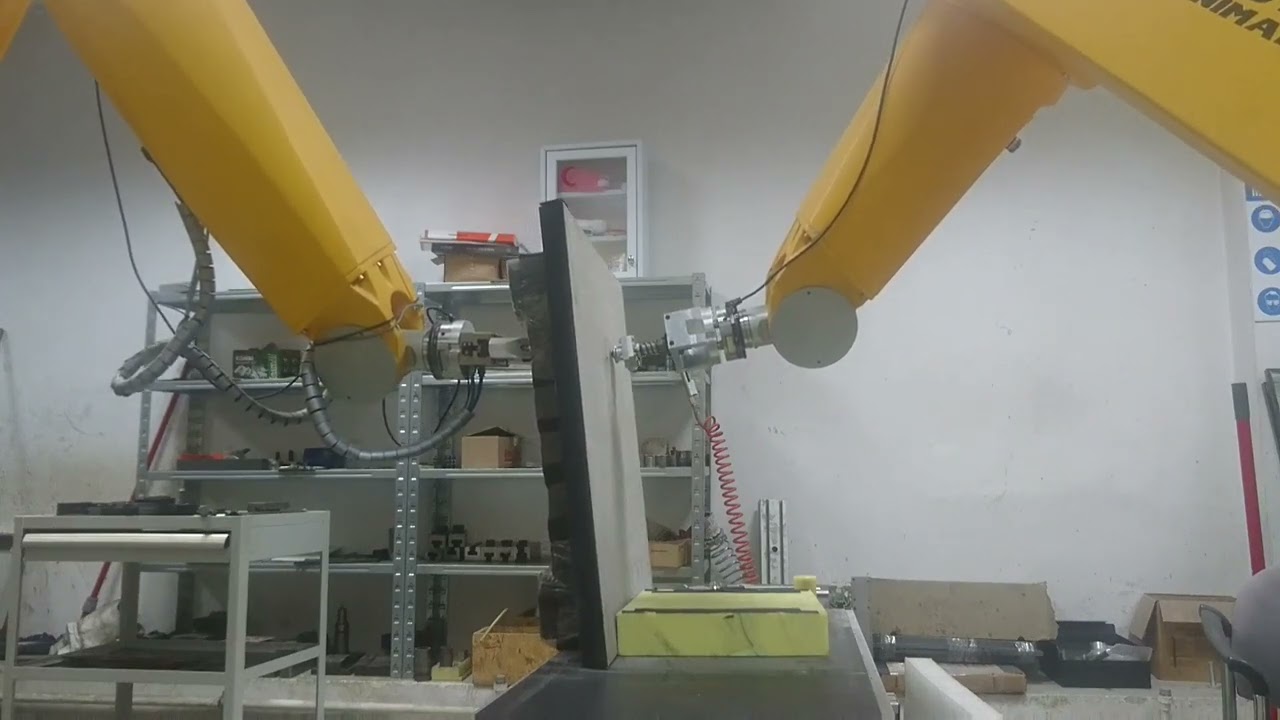
Implemented hybrid position/force control loops for physical human-robot interaction. Ensured stable industrial trajectories while allowing safe kinetic adaptation during direct human contact.
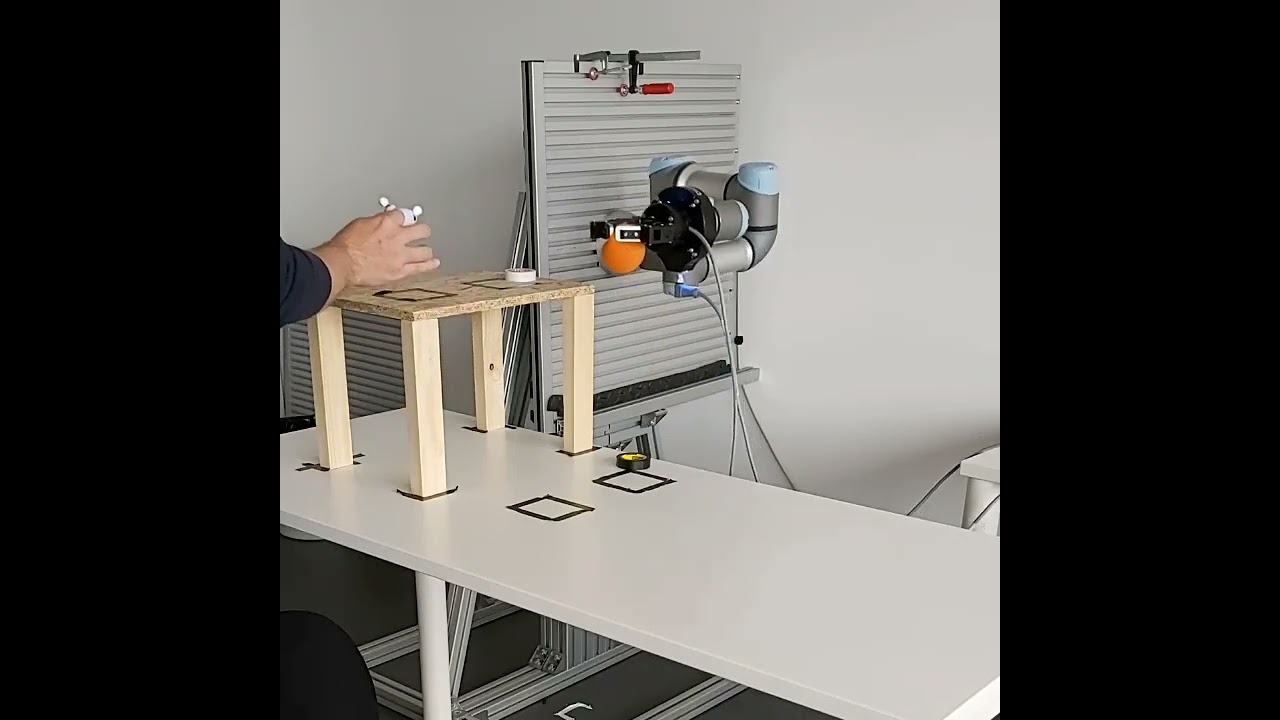
Developed real-time teleoperation and predictive manipulator tracking loops. Tracked human spatial vectors actively using marker-based optical tracking to control manipulator behavior.
Implemented embedded control architectures linking microcontrollers, NVIDIA Jetson, and ROS-based robotic systems.
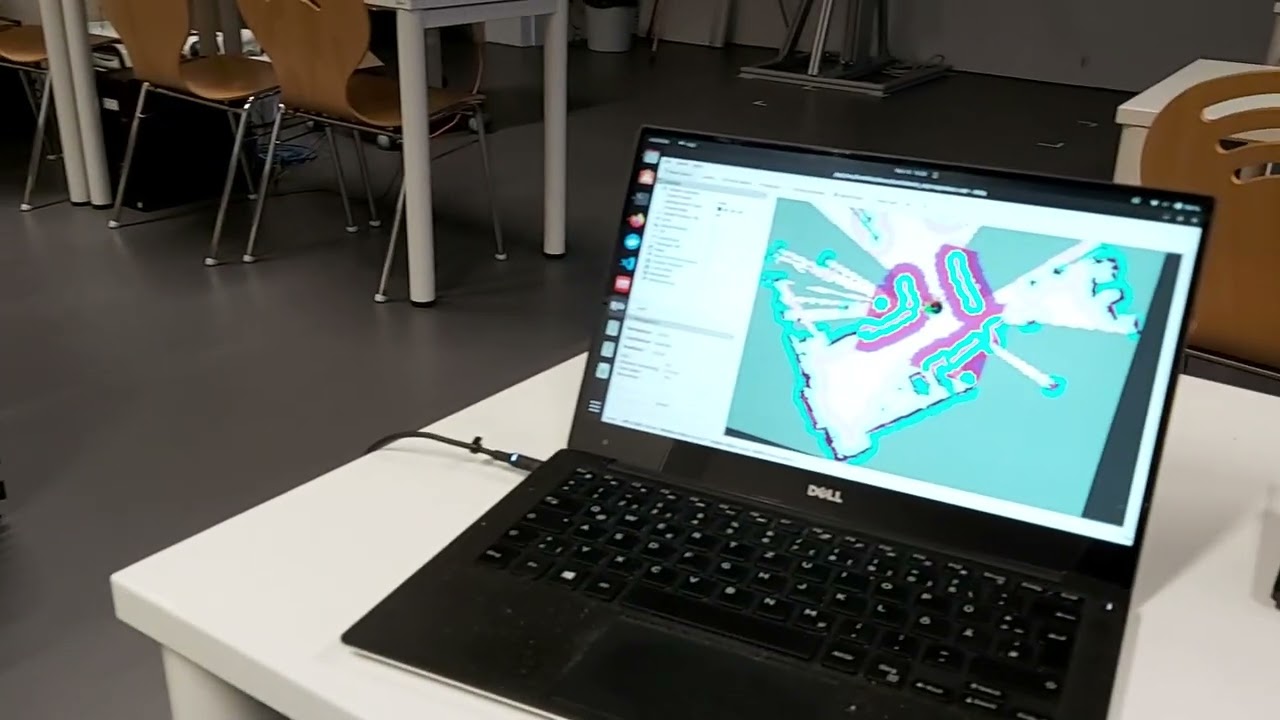
Configured and validated autonomous navigation systems using Nav2, Cartographer SLAM, and LiDAR-based perception on TurtleBot 4 and AgileX Scout Mini platforms.
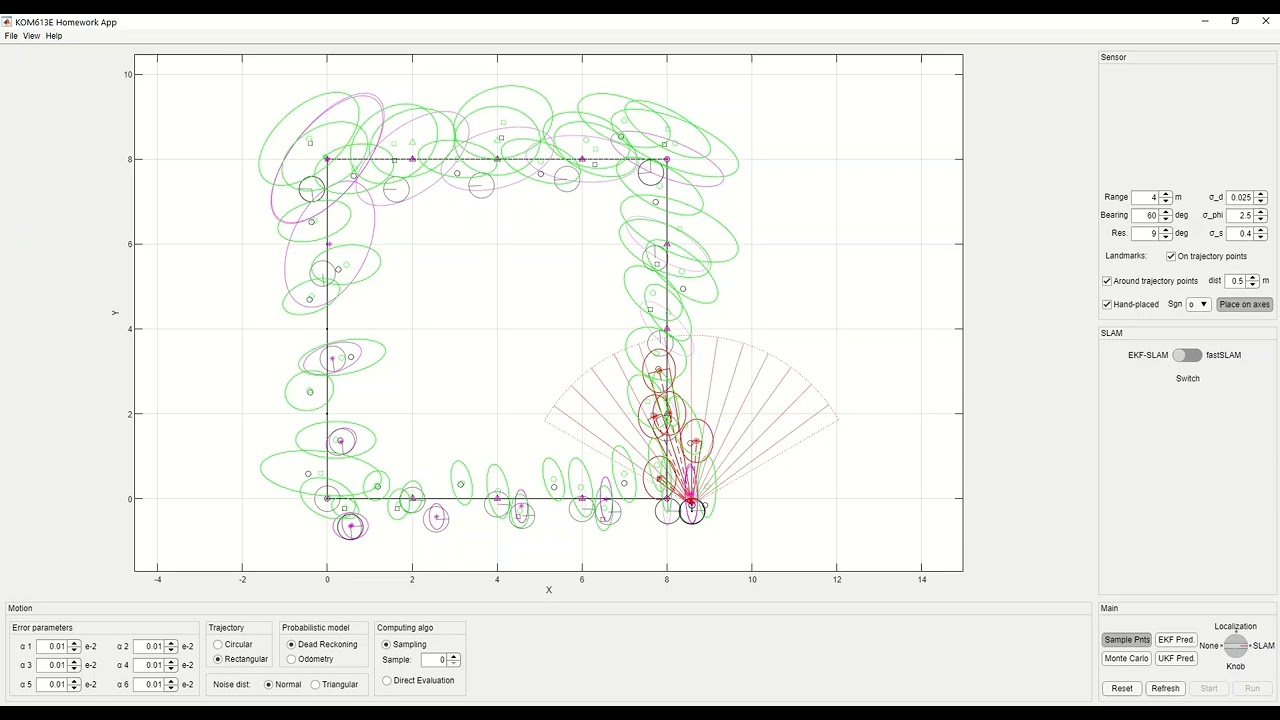
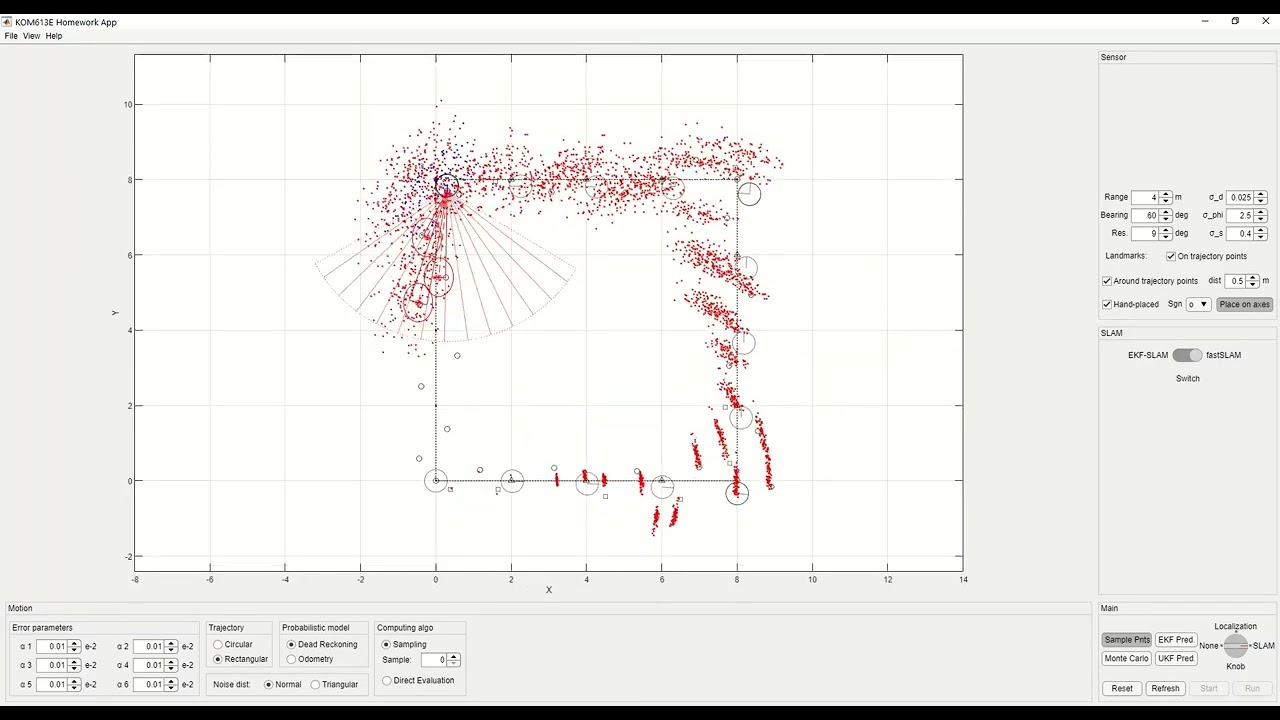
Computational implementations and algorithm simulations validating kinematic solvers, probabilistic mapping, and force-control loops prior to hardware deployment.
Implementation of Extended Kalman Filter Simultaneous Localization and Mapping for probabilistic environment modeling.
Advanced SLAM framework leveraging particle filters to estimate complex non-linear trajectories and grid maps.
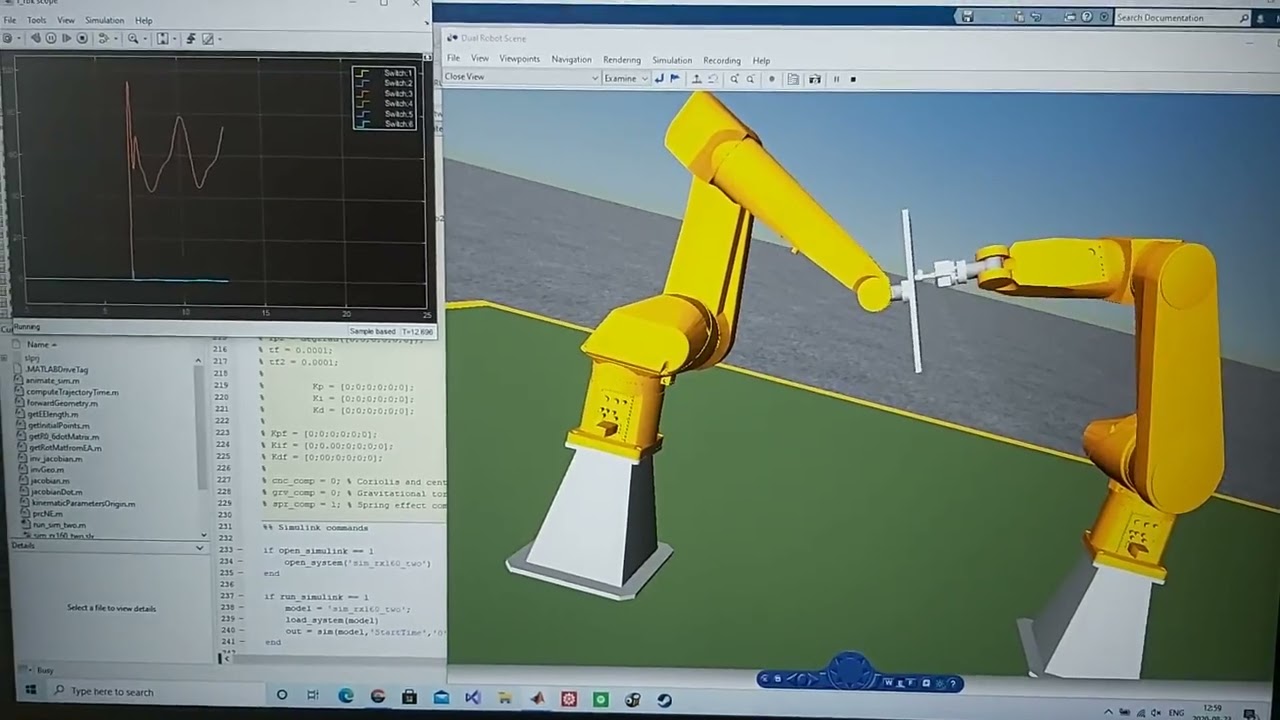
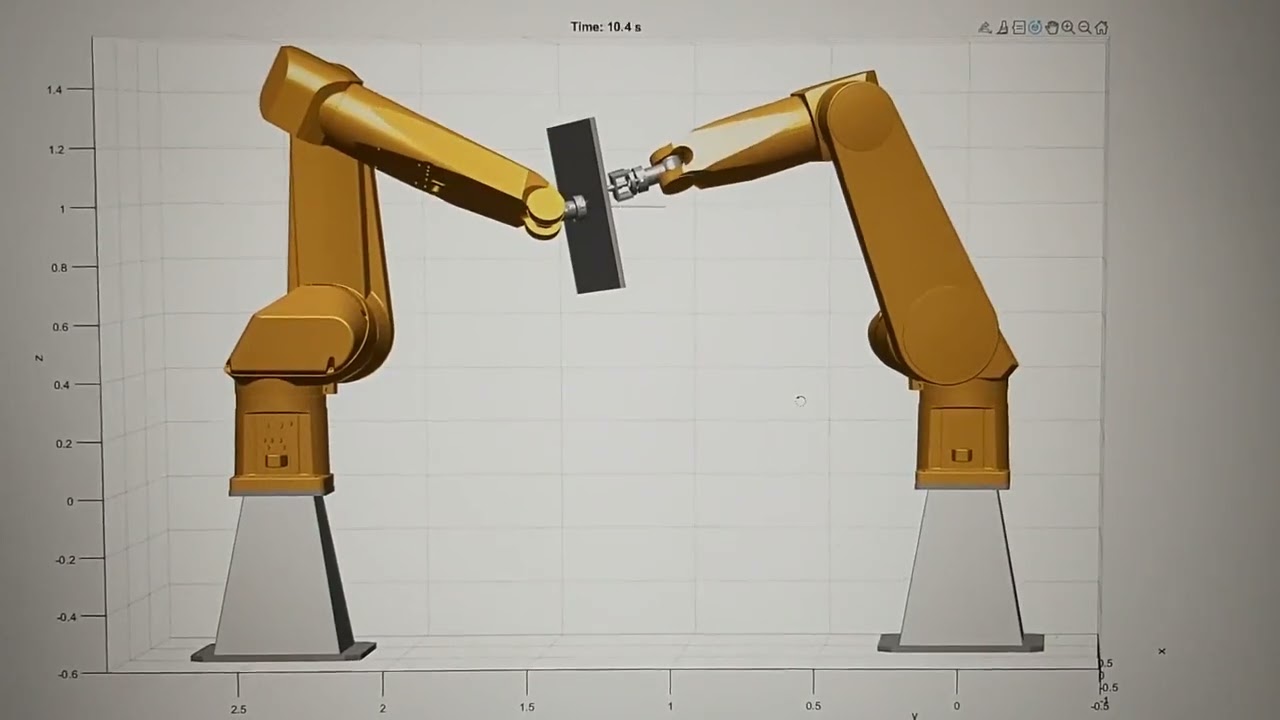
Simulink-based architecture for multi-agent interaction, demonstrating stable force regulation in a closed kinematic chain.
Simulated physical compliance loop adapting real-time tool trajectories against shifting planar constraints.
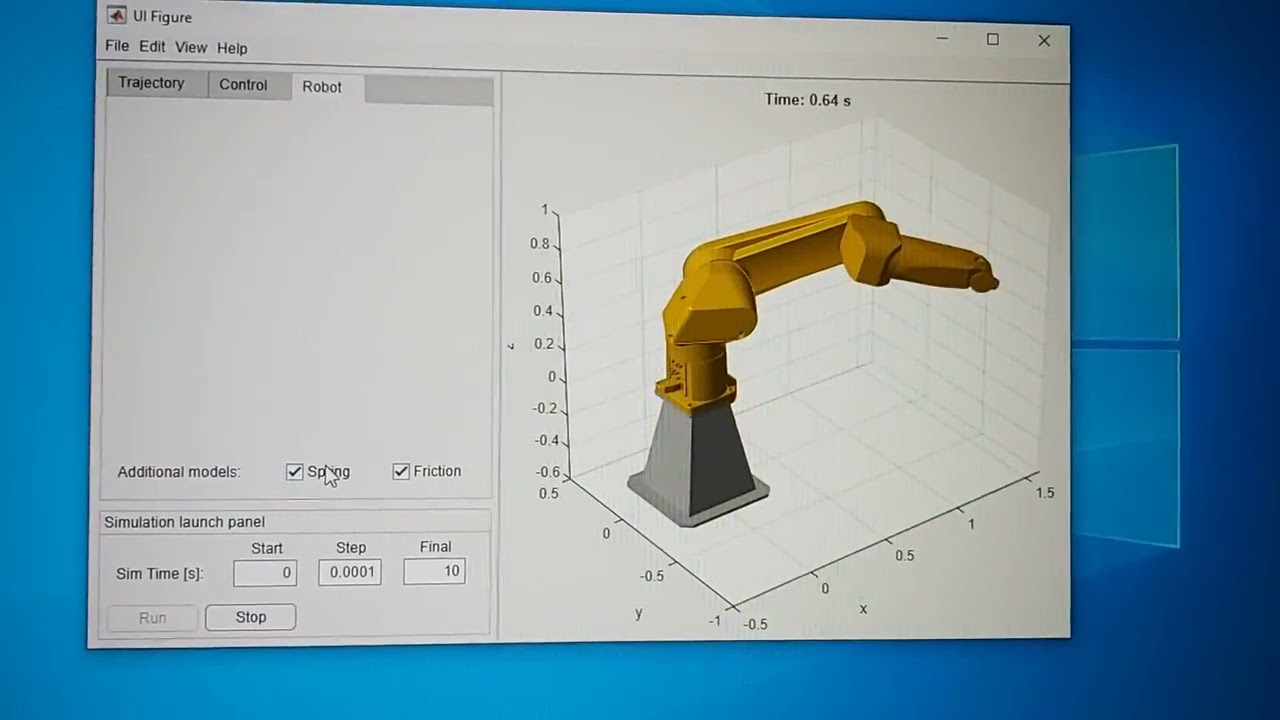
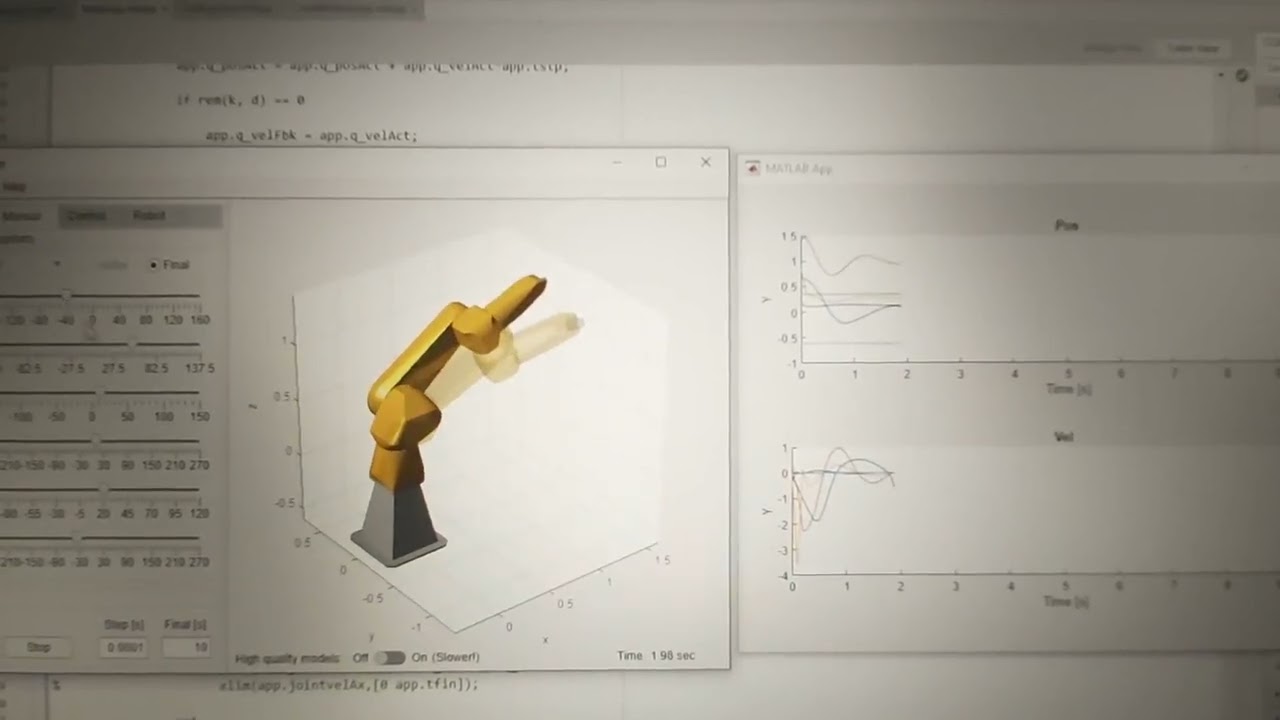
Mathematical modeling of Stäubli RX160 rigid-body dynamics to facilitate real-time PID and adaptive controller tuning.
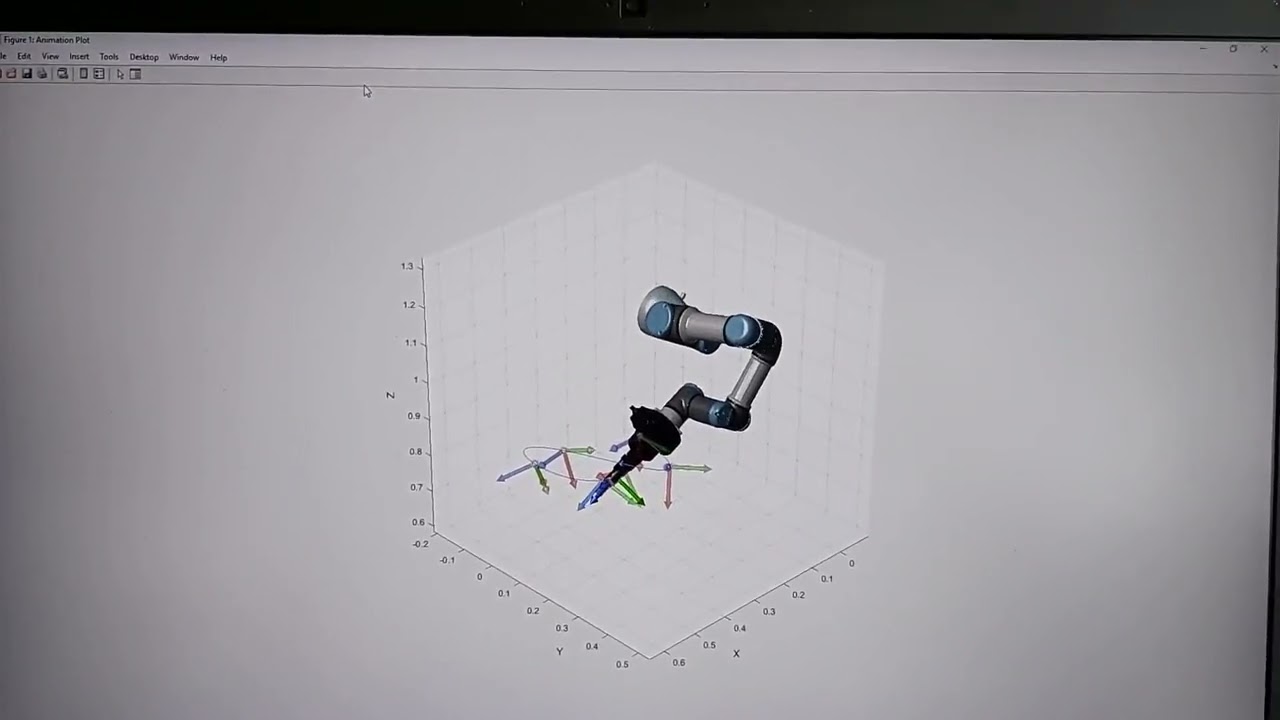
Cross-platform trajectory execution linking MATLAB path planning arrays with Universal Robots' RTDE stream.
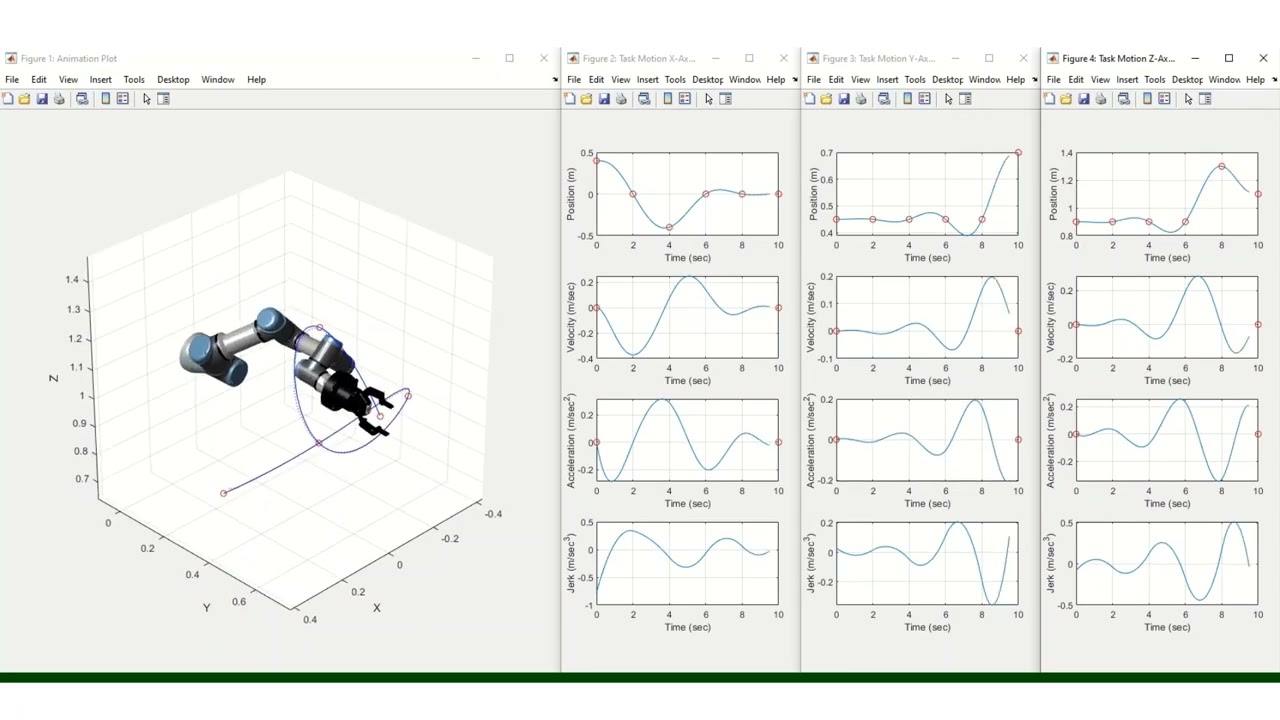
Generation of smooth, biologically-inspired minimum-jerk trajectories mapped through UR3 joint limits.
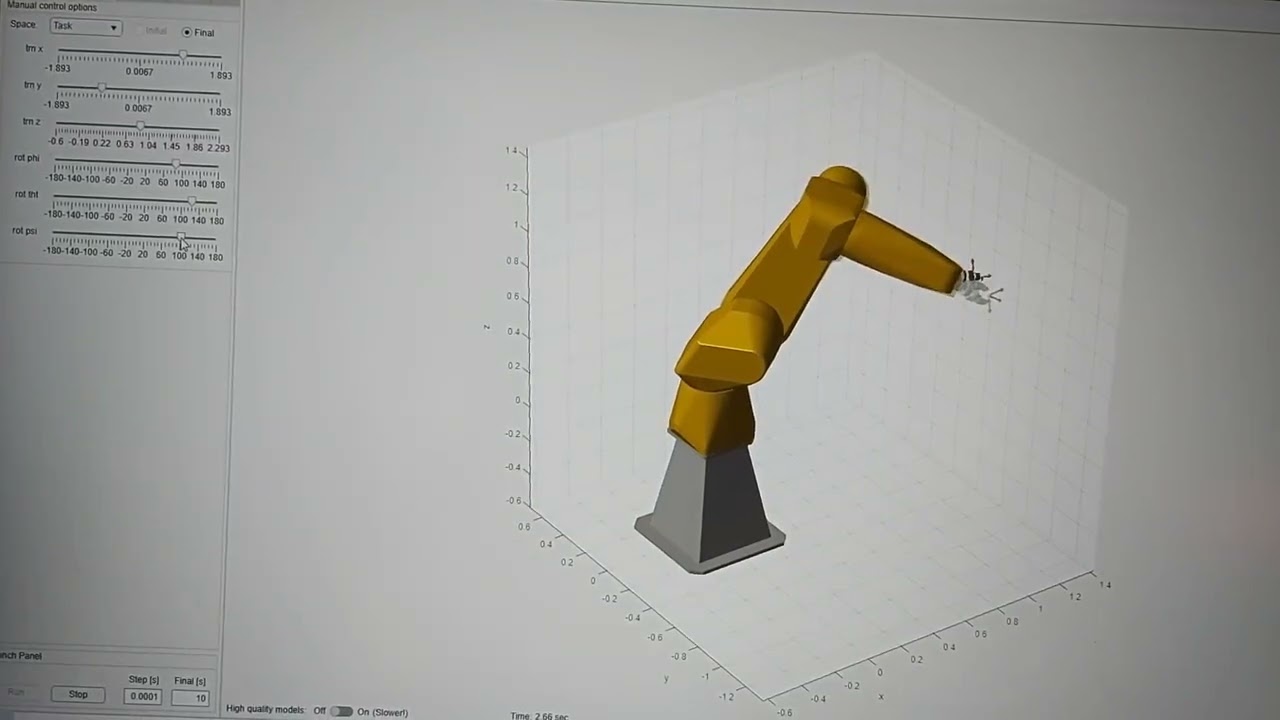
A custom application interface allowing direct Cartesian manipulation and inverse kinematic solving.
Standalone MATLAB executable enabling real-time 6-DoF forward kinematic state visualization.
Designing safe, intuitive, and collaborative behaviors for robotic systems operating in shared physical environments.
Developing motion planning methods that adapt robot trajectories according to predicted human actions during tasks.
Investigating how humans adapt their positions and spatial movement profiles when interacting in shared workspaces.
Investigating motor interference as an objective measure of perceived human-likeness in robot motion.
Employing stochastic modeling to infer human intentions and handle timing uncertainty in joint assembly tasks.
Formulating and implementing decoupled optimization targets, hybrid force control, and adaptive tracking algorithms.
I am seeking postdoctoral and robotics R&D opportunities beginning December 2026. My interests include human-aware motion planning, collaborative robotics, robot learning from human behavior, and human-robot interaction.